API Integration Services


Trusted by Forward-Thinking Brands Worldwide














API Integrations That Accelerate Your Digital Ecosystem
We connect your applications, databases, and third-party tools to create seamless digital experiences. Our custom API development ensures secure, fast, and reliable communication between every layer of your tech stack.

Projects Built & Delivered

Client Satisfaction Rate

Skilled Experts Onboard

Happy Global Clients
Robust API Integrations That Bridge Your Tech Stack
We develop and integrate APIs to connect applications, automate processes, and create seamless data flow across platforms.

Custom REST & GraphQL APIs
We build secure and well-documented APIs tailored to your system’s logic and consumer needs.

Third-Party Service Integrations
From payment gateways to CRMs and marketing tools, we bridge your product with the ecosystem you rely on.

Data Sync & Trigger Automation
Enable real-time or scheduled syncs, data validation, and business rule enforcement with minimal latency.
What We Offer in API Integration
Our API integration services enable smooth data exchange, third-party connectivity, and automation by designing secure, scalable REST, GraphQL, and event-driven systems.

REST & GraphQL API Development
Build custom endpoints that expose exactly the data your product or partners need.

Payment Gateway Integrations
Connect to Stripe, PayPal, Razorpay, or Braintree with PCI-compliant flows.

CRM/ERP/Marketing Tool Syncing
Bi-directionally sync data between platforms like Salesforce, Zoho, HubSpot, and QuickBooks.

Webhook & Event-Based Automation
Trigger real-time actions and data updates across systems with efficient webhook listeners.

API Health Monitoring
Track uptime, response delays, and errors with built-in alerts and performance logs.
Why Businesses Trust Our API Integration Expertise
Connect platforms, sync data in real time, and extend your software's power with fast, secure, and fully documented API integrations tailored to your ecosystem.
Flawless Data Syncing
Ensure clean and conflict-free communication across platforms through validated API logic.
Third-Party Compatibility
We integrate with everything from payment and CRM platforms to cloud storage and analytics.
Fast, Secure API Layers
Build or consume APIs with speed and encryption using industry best practices.
Documentation & Dev Handoff
Well-documented APIs enable future enhancements and easy internal developer adoption.
Low-Latency Performance
We optimize request/response times for real-time integrations and zero bottlenecks.
What Our API Integration Services Cover, and How to Choose the Right Approach
API Integration Explained for Your Project
API integration is the work of connecting two or more software systems so they exchange data automatically instead of relying on manual entry or file exports. For most businesses this means linking your product, website, or internal tools to services like payment processors, CRMs, marketing platforms, or internal databases. The work includes mapping data fields between systems, authenticating securely (API keys, OAuth, or JWT tokens), writing the connector or middleware logic, handling errors and retries, and setting up monitoring so a broken sync gets flagged before it affects customers. If you are evaluating vendors, ask specifically how they handle rate limits, versioning, and failure recovery, since these separate a fragile integration from a stable one.
Custom API Development from Scratch
Custom API development applies when no existing connector fits your needs, either because you are exposing your own product's data to partners or building internal services that other teams or apps will consume. This starts with defining endpoints and payload structures around your actual business logic, choosing REST or GraphQL based on how flexible the data queries need to be, and writing documentation (typically via Swagger or OpenAPI) so internal developers or external partners can adopt it without back-and-forth. Cost depends on the number of endpoints, the complexity of the underlying data model, and whether authentication and rate limiting need to be built from zero. Timelines for a custom API typically stretch longer than a simple third-party connection, since schema design and testing take more upfront planning. Before starting, prepare a list of the data objects you need to expose, who will consume the API, and any compliance requirements tied to that data.
Combining Development and Integration in One Engagement
Many projects need both: a custom API built for your own system plus integration work to connect it with outside services. In practice this means designing your internal API first, then building middleware that translates between your API's format and the third-party system's format. Doing both together, rather than hiring separate teams, avoids mismatched assumptions about data structure and authentication, and it means one team owns the full request path when something needs debugging.
Custom Software Integration for Existing Systems
If you already run multiple platforms, custom software integration means retrofitting communication between systems that were never designed to talk to each other. This often involves middleware layers, scheduled batch syncs where real-time isn't necessary, and data validation rules to catch mismatches before they corrupt records. Legacy systems without modern APIs may need custom adapters or database-level connectors instead of a standard REST call. Ask what audit trail or logging is included, since untracked failures in legacy integrations are the most common source of silent data loss.
HR Data Integration Between Systems
HR data integration connects payroll, applicant tracking, time-tracking, and HRIS platforms so employee records stay consistent without duplicate manual entry. This work needs extra care around data privacy and access control, since HR data typically includes sensitive personal information. A solid approach includes field-level mapping (employee ID, salary, leave balances), scheduled or triggered syncs depending on urgency, and role-based access so only authorized systems and users can pull sensitive fields. Before starting, prepare an inventory of which HR systems are in use, which fields must sync, and any regional data protection rules that apply to your workforce.
Payment Gateway Integration Done Securely
Payment gateway integration connects your checkout or billing flow to processors such as Stripe, PayPal, Razorpay, or Braintree. This requires PCI-compliant handling of card data, webhook listeners for events like successful charges, refunds, and failed payments, and clear error handling so customers see accurate messages instead of silent failures. The scope depends on whether you need one gateway or several (for currency or region coverage), subscription billing versus one-time charges, and whether you are migrating from an existing provider. Testing in sandbox mode before going live is standard, and a rollback plan should be in place for the cutover.
Comparing Off-the-Shelf Connectors vs Custom Integration
Factor | Off-the-shelf connector | Custom integration |
|---|---|---|
Setup speed | Faster | Slower, needs planning |
Fit to your data model | Generic | Matches your exact logic |
Ongoing maintenance | Vendor-managed | Your team or agency manages |
Best for | Standard tools, simple syncs | Unique workflows, legacy systems, compliance needs |
Get in touch to discuss which integration path fits your systems and timeline.
Showcase of Our Recent Work
We build results-driven digital products across industries—from early-stage startups to established enterprises. Here are some of our recent success stories.
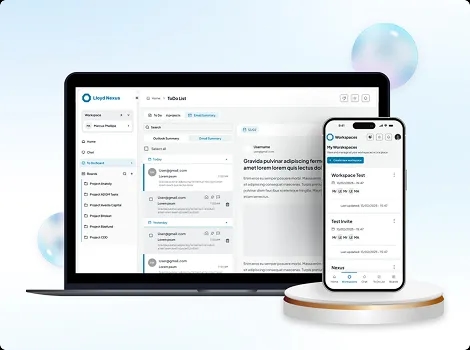


Simplify Complexity with Powerful API Integrations
We make your software talk to everything: CRMs, payment platforms, ERPs, third-party tools, so you can automate, scale, and innovate.
Technology Stack That Powers Exceptional Development
Explore the frameworks, tools, and platforms our experts use to build secure, scalable, and high-performance solutions tailored to every project need.
Frameworks
Libraries
Tools
How We Deliver API-First Projects
Integrate third-party APIs and build middleware for seamless, secure, and low-latency data exchange across platforms.

API Integrations That Just Work
Connect your systems with reliable, secure APIs that enable automation, data flow, and real-time sync.
Integration Mapping & Security Planning
We identify all third-party systems, expected data flow, and token-based authentication needs.
UI Design (If Required)
If your integration includes dashboards or controls, we design sleek interfaces to manage API connections and logs.
Custom API & Middleware Development
Whether building from scratch or integrating third-party services, we ensure data consistency and low-latency exchange.
Testing, Monitoring, and Delivery
We deploy integration logic with rate limiting, webhook testing, and long-term monitoring for error prevention.
Latest Articles

What it actually takes to build a Next.js app: real cost bands, timelines, team setup, and when to hire an agency instead of building it yourself.

Hiring a Next.js development agency? See scope, timeline, real cost bands, and questions to ask before you sign a contract with anyone.

Learn how to build a Next.js project step by step, when to hire help, and realistic cost and time ranges for different project sizes.
Let Us Know What You Think!
Have questions about your idea? Drop in your details to discuss with our solution consultants. We look forward to hearing from you.
Reach Out


Innovate With Us


API Integrations Sound Complicated? Not With Us
If you’re planning to connect external tools or streamline your workflows, here’s what you need to know about API services.
Not Sure How to Connect the Dots? Let’s Help
From custom API builds to third-party integrations, we simplify complexity. Reach out and we’ll decode your requirements together.